
Mental Health

Home | Tag:Mental Health

WJCS Initiates Zero Suicide Model with NYS Office of Mental Health

2024-09-09T15:22:37-04:00September 6th, 2024|Categories: Mental Health, Feature, Featured Homepage, Featured Internal, General|Tags: , , , , , , , , |

September is Suicide Prevention Awareness Month, a yearly reminder of the staggering rates of suicide and the importance of identifying and helping people who are experiencing a mental health crisis. Suicide is one of the leading causes of death in the United States with over 49,000 people having died by suicide in the U.S. in 2022 and 13.2 million seriously contemplating suicide, according to the U.S. Centers for Disease Control and Prevention (CDC). Westchester Jewish Community Services (WJCS), the largest provider of licensed community-based mental health services in Westchester County, is closely collaborating with the NYS Office of Mental Health ...
Hoarding Disorder: What Clinicians Need to Know

2026-02-04T14:51:35-05:00August 30th, 2024|Categories: , |Tags: , , , , |

It is estimated that 2%-6% of the population suffers from hoarding disorder. Across two sessions, this course will review the common mechanisms associated with the development of hoarding disorder as well as how to recognize, assess, and treat hoarding disorder. The course will also provide an overview of a newly developed eight-week specialty treatment program for hoarding disorder that can be effectively delivered both in office or via telehealth in standard length psychotherapy sessions.

Assessing and Treating Clients with Co-occurring Mental Health and Substance Use Conditions

2024-08-30T13:00:19-04:00August 30th, 2024|Categories: , |Tags: , , , , |

This training will help providers to be more prepared for the challenges associated with providing treatment to such individuals. Providers will learn how to conduct an assessment of substance use, how to decide what level of treatment is appropriate for specific individuals, assess individuals’ readiness for change, apply evidenced-based approaches to increasing individuals’ motivation for change, assess the functional purposes and impacts of substance use, select and utilize appropriate treatments for individuals with co-occurring conditions, and help individuals reduce the impacts of relapse.

Intro to Dialectical Behavior Therapy (DBT)

2025-06-17T12:52:10-04:00July 10th, 2024|Categories: , |Tags: , , , , , , , , , , , , , |

Dialectical Behavior Therapy (DBT) is an evidence-based treatment originally designed for individuals with suicidal or self-harm behaviors. It has come to be an evidence-based treatment for borderline personality (BPD). However, many other clients and disorders have been shown to benefit from DBT, such as depression, bipolar disorder, post-traumatic stress disorder (PTSD), anxiety, or alcohol and drug use disorders. It can be applied as a behavioral therapy to any target behavior that the client would want to change. DBT is built on balancing acceptance and change. Its use of dialectics like this one, the teaching of mindfulness as a core skill, and its group curriculum of mindfulness, distress tolerance, emotion regulation, and interpersonal effectiveness skills that have distinguished DBT as a skills-based therapy.

Nicotine and Vaping: What Clinicians Need to Know

2024-06-11T13:16:53-04:00June 11th, 2024|Categories: , |Tags: , , , , , , , , |

Smoking cigarettes remains the leading preventable cause of death in the United States and causes more than 440,000 deaths each year. In addition, vaping continues to grow in popularity and is the most common delivery method of nicotine among teenagers and young adults. Nicotine is the main addictive chemical in both smoking cigarettes and vaping.

Building Resilience, Health, and Well-Being

2024-05-20T15:59:08-04:00May 15th, 2024|Categories: Feature, Featured Homepage, General|Tags: , , , |

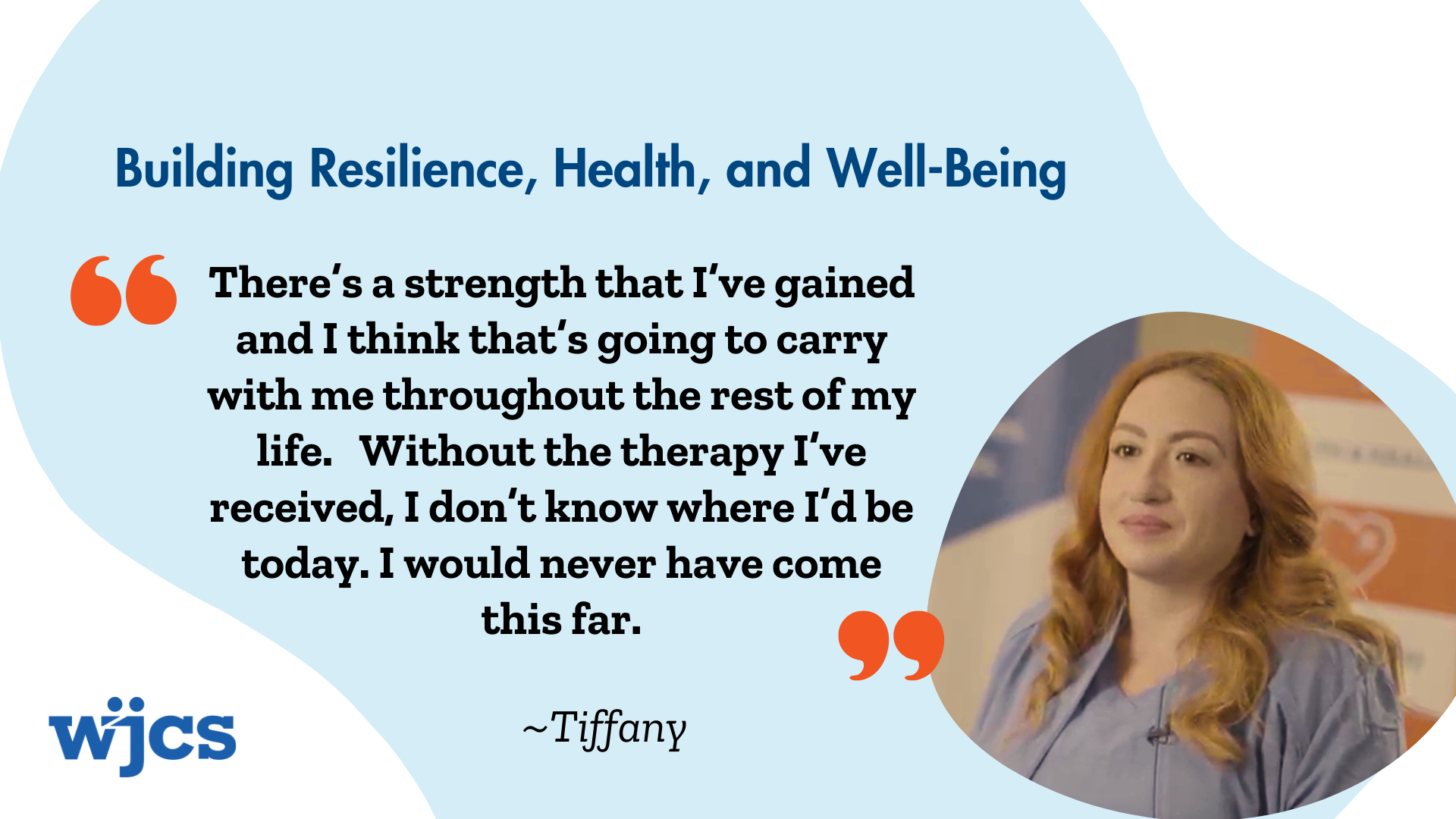
May is Mental Health Awareness Month. It’s because of kind, caring people like you that WJCS can provide vital, evidence-based services to people in Westchester who are struggling with mental health challenges and trauma. Meet Tiffany, one of many people who faced what seemed like overwhelming obstacles until she came to WJCS:   I experienced sexual abuse, physical abuse, and emotional abuse. In high school I dropped out. I was pregnant and thought that was going to be my life, working as a cashier, trying to take care of my baby. I was so depressed when my first ...

Alcohol and Benzodiazepines: What Clinicians Need to Know

2024-05-06T13:24:47-04:00May 6th, 2024|Categories: , |Tags: , , , , , , , , |

More and more clinicians are receiving referrals for grieving clients asking for support in their bereavement process. The current course aims to provide clinicians with a grounding in psychoeducation and theory behind grief responses in order to increase clinician confidence in working with clients who are experiencing bereavement.

Opioids: What Clinicians Need to Know

2024-04-05T14:14:11-04:00April 5th, 2024|Categories: , |Tags: , , , , , , , |

Drug overdose now causes more deaths than car accidents and is the leading cause of injury death in the United States. The overwhelming majority of these deaths are due to opioids. This session will give an overview of opioids, including their various types and main intoxication symptoms. Important trends in opioid addiction will be reviewed, including the rise of synthetic opioids, such as fentanyl.

The ABC’s of CBT

2024-03-20T16:28:14-04:00March 20th, 2024|Categories: , |Tags: , , , , , , , , , , |

Dates: 4/30/24 & 5/7/24 Time: 9:00 – 10:30 Contact Hrs: 3 CEUs: 3 It has been determined that WJCS staff would benefit from access to a general training specific to Cognitive Behavioral Therapy (CBT). The cognitive behavioral paradigm provides a unique way to conceptualize pathology and to plan therapeutic intervention. The majority of clinicians practicing today identify that some part of their work is informed by CBT. Research consistently indicates the efficacy of CBT with many psychological disorders and with a diverse range of clients. CBT is often embedded in frequently used interventions at WJCS such as dialectical behavior therapy ...

Recovery is Possible with WJCS

2024-09-11T13:49:12-04:00March 14th, 2024|Categories: Mental Health, Feature, Featured Homepage, General|Tags: , , , , , , , , , |

The number of people suffering from both mental health and substance use disorders is skyrocketing, with approximately 21.5 million adults in the United States experiencing these co-occurring conditions, according to SAMHSA’s 2022 National Survey on Drug Use and Health. Unfortunately, the result of experiencing both disorders can be tragic. Westchester Jewish Community Services (WJCS), the largest provider of licensed outpatient mental health services in Westchester, is now providing comprehensive integrative, evidence-based treatment for county residents experiencing substance use disorders and co-occurring mental health disorders. “People suffering from co-occurring mental health and substance use problems often experience severe and chronic challenges regarding ...

Trauma Treatment Across the Lifespan

2026-01-07T11:09:17-05:00March 6th, 2024|Categories: , |Tags: , , , , , , , , , |

Clinicians are likely to encounter survivors of trauma in their practice. In addition to clients who meet criteria for Posttraumatic Stress Disorder (PTSD) and other Trauma- and Stressor-Related Disorders from single traumatic events, survivors of complex and early developmental attachment trauma may also present more complex clinical pictures.

Dr. Samuel Kahn 2024 Memorial Lecture

2024-03-01T16:18:09-05:00February 28th, 2024|Categories: |Tags: , , , , , , , , , , |

Non-Violent Resistance Therapy (NVR) is an approach that helps parents to manage the violent, destructive, and/or controlling behavior of their children. NVR encourages parents to make a stand against violent or destructive behavior from their child, without using physical or verbal aggression.

Psychopharmacology and Co-Occurring Disorders: What Clinicians Need to Know

2024-02-14T12:01:46-05:00February 14th, 2024|Categories: , |Tags: , , , , , , , |

This 1.5-hour training will introduce attendees to the concept of co-occurring disorders- the co-occurrence of one or more mental health and substance use disorders that often act in synergistic ways to exacerbate one another leading to more negative outcomes than if individuals had a substance use or mental health disorder alone.

Mental Health & Substance Use: Overcoming the Challenges

2024-11-26T11:59:56-05:00February 13th, 2024|Categories: Mental Health, Feature, Featured Homepage, General|Tags: , , , , , |

The number of people suffering from mental health and substance use problems are skyrocketing. More than 20% of Americans, including youth, teens, and adults of different socioeconomic groups, are living with a mental illness. Only about half of adults receive treatment. More than 20 million Americans 12 years and older are affected by substance use disorder. These conditions don’t discriminate. They affect people in all socioeconomic groups. "I came to WJCS for therapy at a time of serious distress in my 20’s. I couldn’t afford much, and was able to pay just a very modest amount thanks to financial ...

Building Trust in Community

2024-02-22T09:54:26-05:00February 7th, 2024|Categories: Feature, Featured Homepage, General|Tags: , , , , , , , , , , |

To quote Mr. Rogers, “All of us, at some time or other need help. Whether we’re giving or receiving help, each one of us has something valuable to bring to this world.” WJCS helps people in our community of all ages and backgrounds who face difficult challenges in life and need additional support to build a strong foundation of well-being to strengthen their ability to weather life’s storms. Whether people are experiencing mental health, trauma, disability, aging, educational, or often systemic challenges, we all know that accessing support can be very difficult. Being a champion of WJCS means you ...

Marijuana: What Clinicians Need to Know

2024-03-08T15:33:23-05:00February 5th, 2024|Categories: , |Tags: , , , , |

Date: 4/12/24      Time: 9:30 am to 11 am Contact Hrs: 1.5       CEU’s:  1.5    Enrollment Limited to: No limit       Method:  Lecture, discussion     Description:  Marijuana and products derived from chemicals within it are used both medically and recreationally by an increasing number of people through the United States. To date, 38 states and the District of Columbia have legalized marijuana for medical use while recreational use has been legalized in 24 states along with the District of Columbia. In this evolving legal landscape, marijuana use has become increasingly prevalent, particularly among teenagers and young adults. ...

YOUTH SUICIDE PREVENTION: RISK ASSESSMENT & SAFETY PLANNING (FOR WJCS STAFF ONLY)

2023-12-29T14:13:18-05:00December 29th, 2023|Categories: , |Tags: , , , , , , , |

Date:  1/23/24       Time:   9:00-10:30 a.m.                  Enrollment Limited To: 20         Contact Hrs: 1.5          CEUs:  1.5  This training will provide a brief overview of suicidality among youth, with a focus on evidence-based suicide risk assessment and safety planning. This training with discuss the risk and protective factors that may increase or reduce risk in youth, the challenges of assessing risk of suicide, and introduce interventions that may be useful in addressing suicidal thoughts and behaviors in treatment.    Method:  Lecture & discussion  Learning Objectives:   Learn about suicide risk in youth  Evaluate risk and ...

Breaking Through the Barrier: Youth Mental Health

2023-12-20T12:58:40-05:00December 17th, 2023|Categories: Feature, Featured Homepage, General|Tags: , , , , , |

by Brenda Haas, LMSW, Ed.M Why is children’s mental health shrouded with stigma and shame? If a child has diabetes we take them to get their insulin, and if they have asthma, we get them an inhaler. Childhood mental illness is real and very common. The National Institute for Mental Health reports that one out of five children in the U.S. suffers from a mental health disorder. Suicide is now the second leading cause of death in youth ages 15-24. In fact, half of all psychiatric illnesses occur before the age of 14, and 75 percent by the age ...

Now What? 6 Steps After an Alzheimer’s Diagnosis

2023-11-15T13:09:18-05:00November 5th, 2023|Categories: Feature, Featured Homepage|Tags: , , , , , , , , , , , |

Has your loved one been recently diagnosed with Alzheimer’s or Dementia? If so, all of a sudden, you probably have a lot on your plate…. Maybe you have been putting off making financial and legal plans for the future. Perhaps you are rethinking your living situation. Here are first steps you may want to take after a diagnosis: Contact an elder care attorney to discuss your financial planning and need for a power of attorney, will, and advanced directives. Connect your loved one to proper medical care, including a gerontologist and a neurological team. Evaluate your home environment to ensure ...

Go to Top